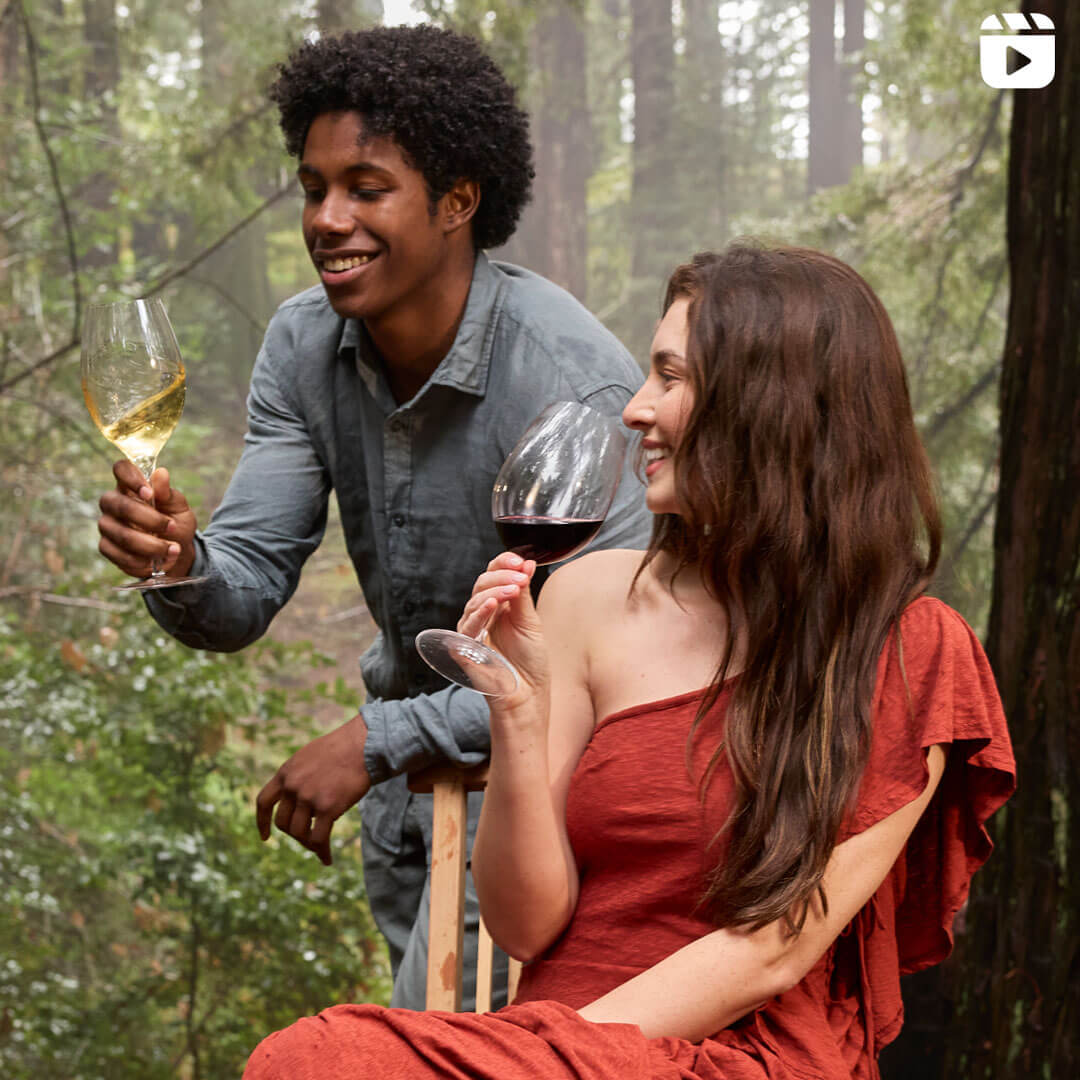
There’s a growing interest in slowing down at the table—shifting from autopilot pours to a more thoughtful approach rooted in mindfulness. Tasting wine with intention isn’t about rules or restrictions. It’s about focusing on aroma, flavor, texture, and pace.
At Bonterra, where every bottle reflects careful organic farming practices, we believe wine is best appreciated when you take the time to notice what’s in your glass. This guide explores how slowing down can enhance your tasting experience, practices mindful drinking, and highlight the details that make each wine distinct
What Does It Mean to Taste With Intention?
Tasting with intention begins with attention. Instead of rushing from sip to sip, you pause to observe the wine’s color, breathe in its aromas, and consider how flavors unfold across the palate.
This approach emphasizes sensory detail mindful practices. You may notice how acidity shapes the structure, how fruit notes evolve with air, or how texture changes alongside food. The focus shifts from quantity to observation—from routine to appreciation.
It’s less about changing what you drink and more about changing how you taste.
Practical Tips for a More Intentional Tasting Experience
Choose Wines With Distinct Character
Wines that showcase clear varietal expression or thoughtful farming practices often reveal more when tasted slowly. Distinct aromatics, layered flavors, and balanced structure naturally encourage a measured pace.
For example, Bonterra Sauvignon Blanc offers bright citrus and kiwi notes that become more defined when given a moment to open in the glass. Taking time between sips allows those details to emerge.
Be Mindful of Pour Size
A standard five-ounce serving is commonly recognized as a typical pour. Starting with a measured pour can help you better evaluate wine aroma, structure, and finish before deciding whether to refill.
A few practical approaches:
- Use proper stemware to concentrate aromas
- Measure your first pour to calibrate your eye
- Taste wine alongside food to explore how flavors interact
- Pause between sips
These small adjustments can change how you experience the wine’s body.
Engage Your Senses
Before tasting, observe the wine’s color and clarity. Swirl gently to release aromatics. Inhale slowly and identify what stands out—fruit, floral notes, spice, earth.
When you sip, notice:
- Texture on the palate
- Balance between acidity, fruit, and tannin
- How flavors develop from entry to finish
Slowing down allows subtle characteristics to become more apparent—whether it’s floral lift in a Chardonnay or structured tannins in a Cabernet Sauvignon.
Set a Clear Purpose for the Bottle
Before opening a wine, consider the context. Are you pairing it with dinner? Comparing vintages? Exploring a new varietal?
Approaching wine with a clear purpose can help frame your tasting experience and guide what you pay attention to in the glass.
Bringing Intentional Tasting Into Everyday Life
You don’t need a formal tasting to slow down. Choose an evening to focus more closely on aroma and structure. Try keeping a simple tasting note—what you noticed, how it paired with food, how it evolved over time.
You might also explore wines from producers committed to organic farming and detailed vineyard practices. Farming decisions influence fruit quality, which in turn shapes aroma, texture, and structure in the finished wine.
The goal isn’t complexity—it’s attention.
Bonterra Wines and Thoughtful Tasting
Wines crafted with careful vineyard and winemaking practices often reveal their character most clearly when tasted at a measured pace. At Bonterra, our commitment to organic and regenerative farming supports balanced fruit and expressive varietal character.
When you choose a Bonterra wine, you’re choosing something crafted with the same attention you bring to the glass. A few Bonterra favorites to explore:
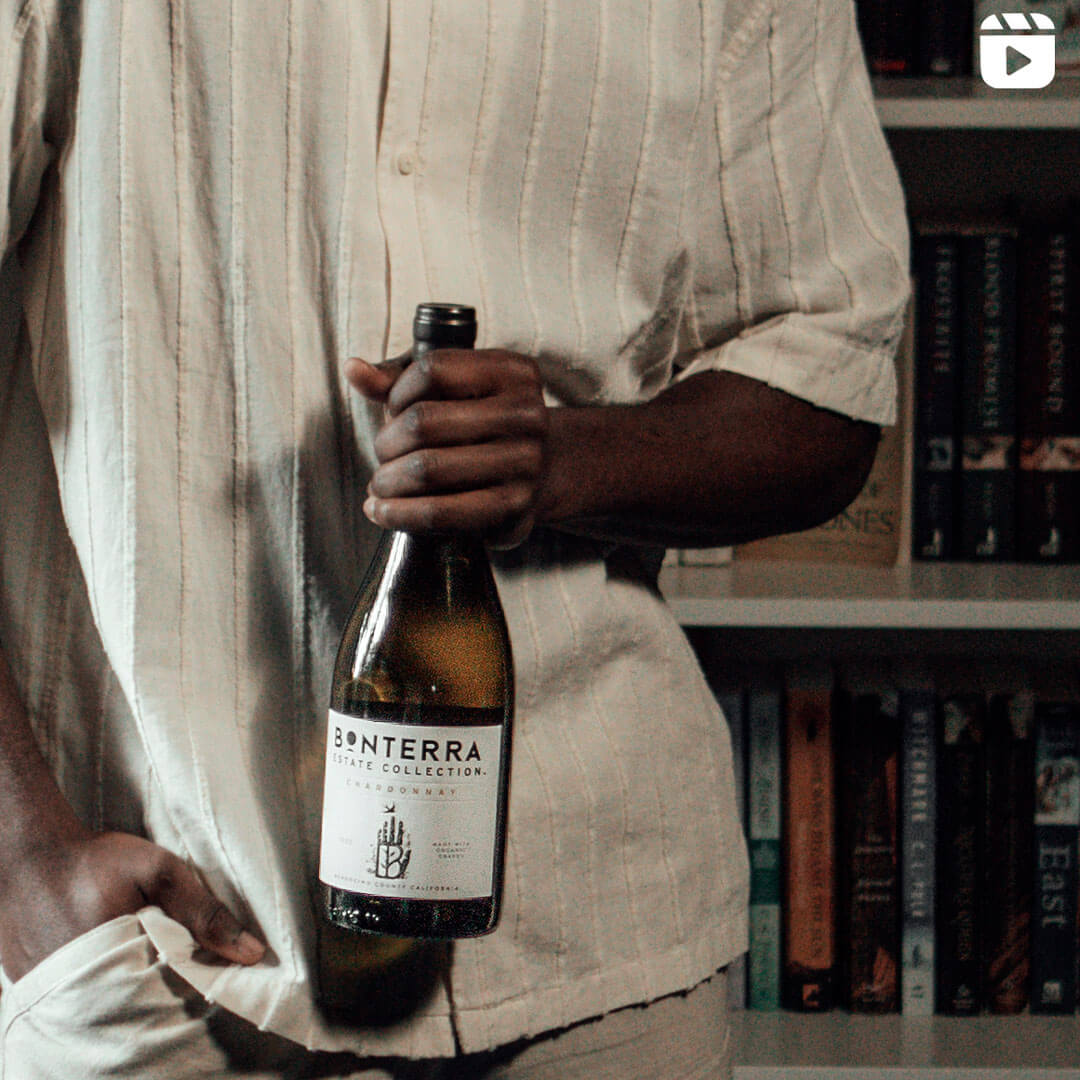
- Chardonnay: Layers of pear, pineapple, and subtle floral notes that reward slow, attentive sipping.
- Rosé: Bright and versatile, with watermelon and blood orange notes perfect for a relaxed afternoon.
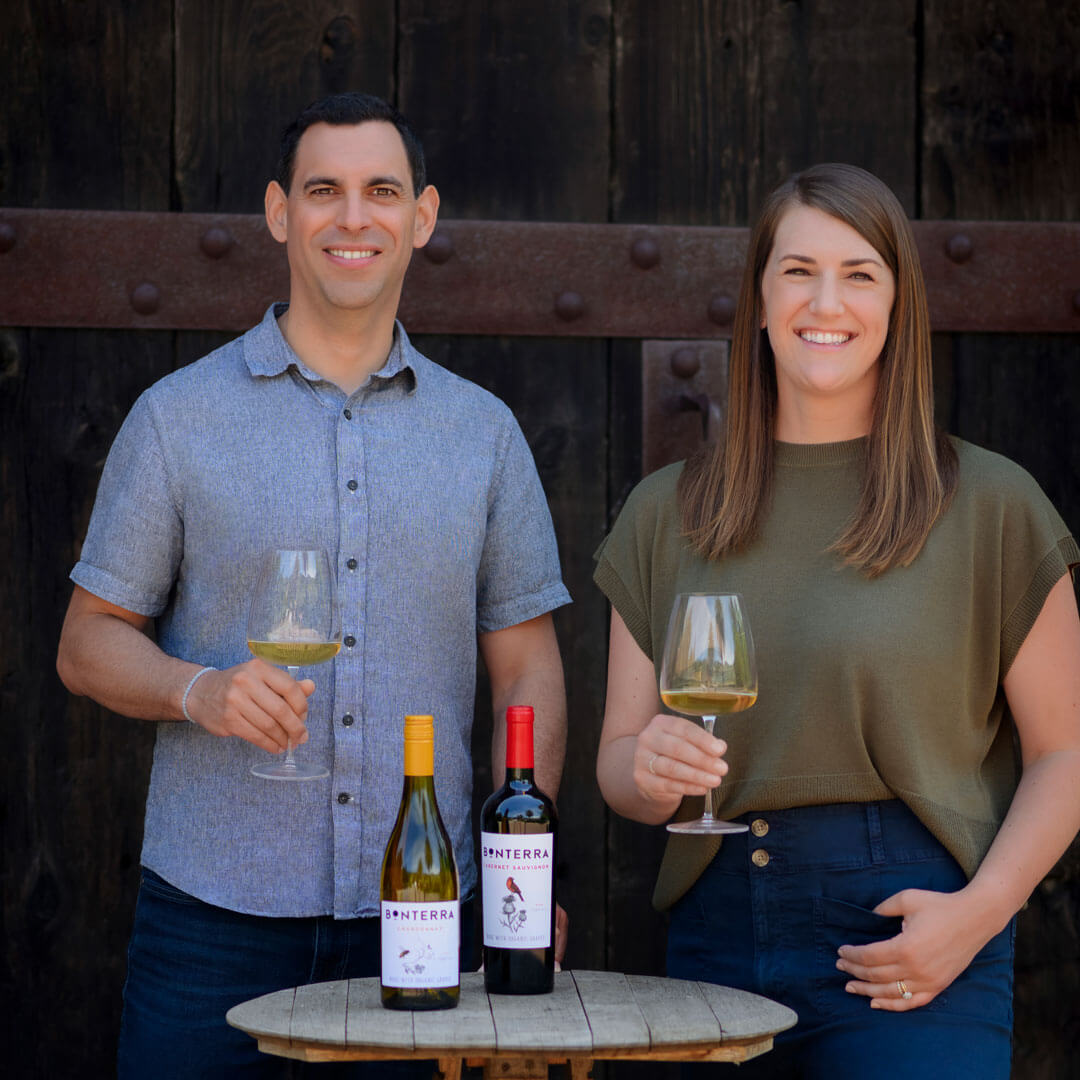
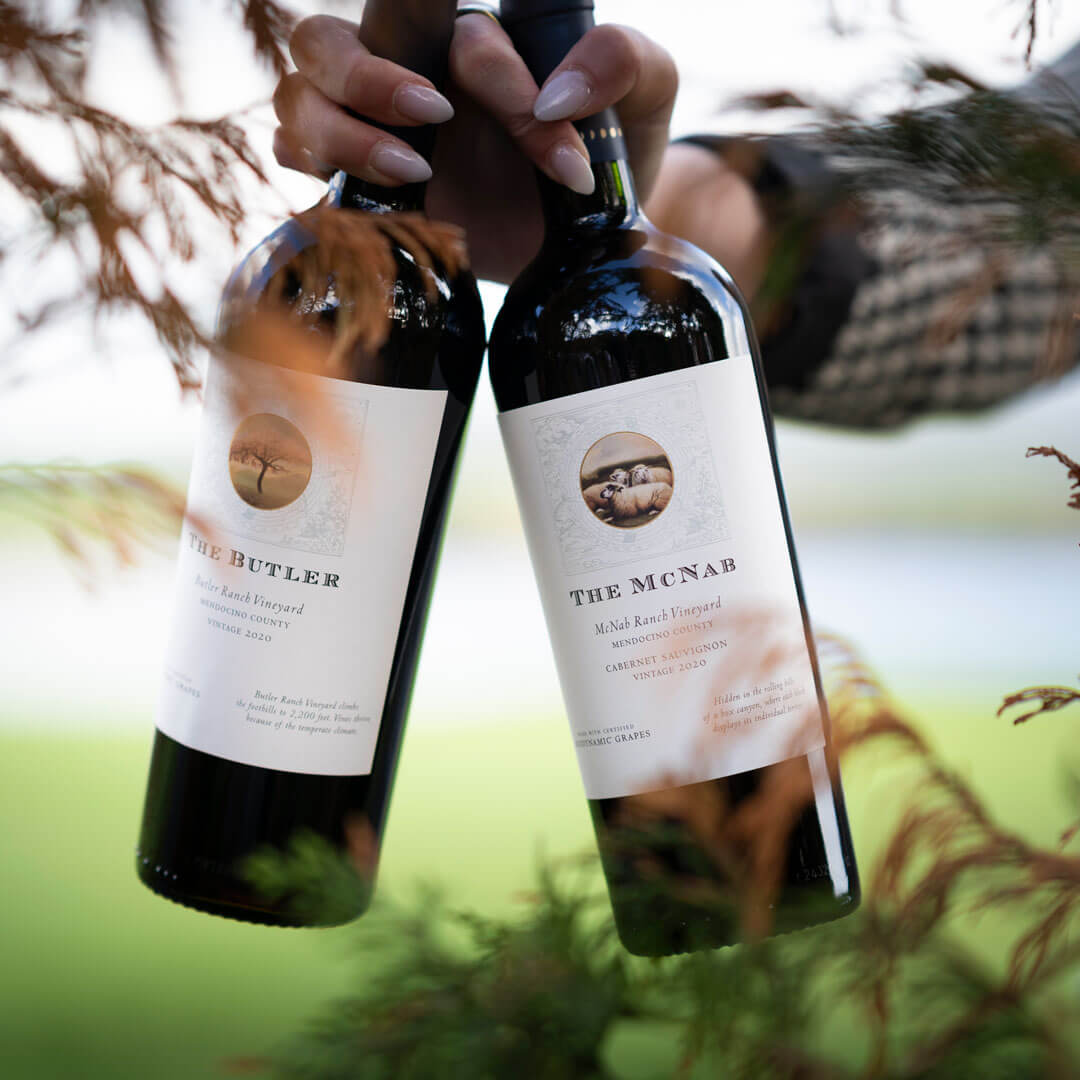
- Cabernet Sauvignon: Rich and layered, ideal for pairing with a thoughtfully prepared dinner.
Tasting wine with intention is about paying closer attention to what’s already in your glass—its aroma, structure, and flavor profile. Shop our wines online and discover wines near you designed to be appreciated sip by sip.