Pasta and wine may be timeless, but the best pairings feel anything but expected. At Bonterra, we’re all about creating moments where flavor, texture, and a little spontaneity come together—organically. When the perfect wine transforms a simple weeknight dinner into something memorable.
It all begins with noticing how flavors, textures, and acidity play together on the plate. Whether you’re simmering a tangy marinara, stirring a silky carbonara, or tossing fresh pesto with linguine, choosing the right wine for pasta can take a simple meal and make it quietly unforgettable.
The secret lies not in the shape of the noodle but in the sauce, and letting the wine follow.
Why Sauce Matters More Than the Pasta
When considering what wine goes with pasta, the sauce is your guide, not whether you’re serving penne, spaghetti, or rigatoni. The pasta itself acts as a canvas, while the sauce provides the flavor profile driving your ideal wine and food pairings. This rule makes the art of pairing considerably simpler, allowing you to focus on three key elements: flavor intensity, body, and acidity.
A bright, acidic tomato sauce calls for a wine with enough acidity to match its vibrancy—typically a medium-bodied red that won’t be overwhelmed by the sauce’s tartness. Rich, cream-based sauces demand wines with enough body and acidity to cut through their weight, creating balance rather than heaviness. Understanding this transforms wine selection from guesswork into easy intuition. It also improves your red wine pairing or white wine pairing choices.
So, once you understand how to balance these elements, you can confidently select the best wine for pasta—across a variety ofdishes featuring seafood, meat, vegetables, or cheese.
Best Wines for Tomato-Based Pasta Sauces
Tomato-based sauces—from simple marinara to robust arrabbiata—share a common characteristic: bright, pronounced acidity that demands a wine capable of standing alongside it. When acidity in food meets the acidity in wine, magic happens. The two elements harmonize rather than clash, creating a balanced experience where both the dish and the wine shine.
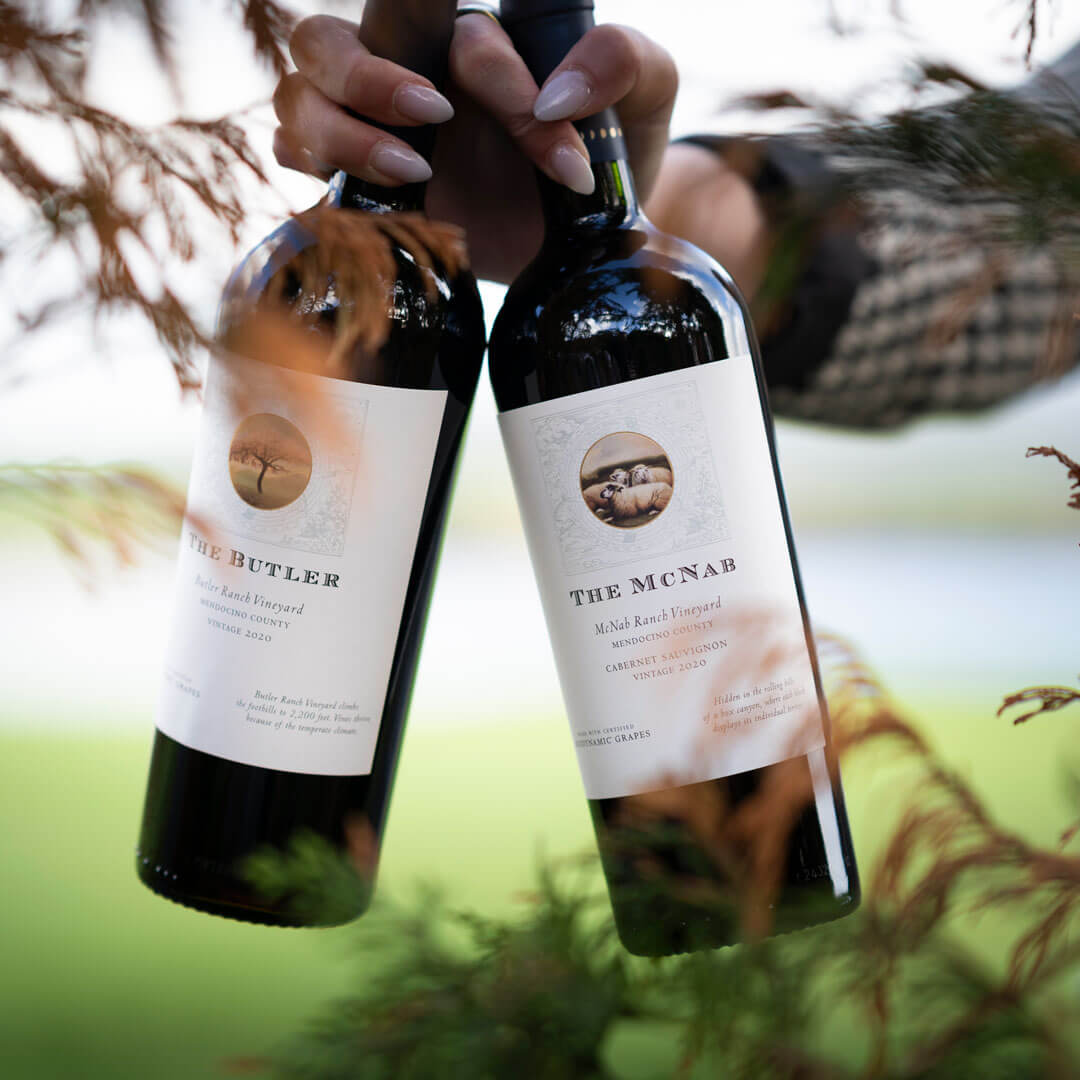
Our Bonterra Cabernet Sauvignon is a wine like no other for its bold flavors. It pairs best with tomato-based pasta dishes. With its structured tannins enhanced by notes of black cherry and blackcurrant layered with spice, this wine brings depth without overwhelming the sauce’s natural brightness. The wine’s bold character matches beautifully with hearty lasagna or spaghetti Bolognese.
If you are looking for a slightly softer flavor profile, consider our Merlot wines. Its plush texture and notes of boysenberry and plum, accented by dried herbs, create a velvety counterpoint to tomato’s acidity. This wine’s polished tannins integrate seamlessly with dishes like baked ziti or pasta puttanesca, where the sauce’s bold flavors benefit from a wine with both structure and approachability.
Best Wines for Creamy and Cheese-Based Pasta
Cream sauces and cheese-heavy pasta dishes are a different type of challenge: how to balance richness without creating heaviness. The answer lies in selecting wines with enough body to match the dish’s weight while offering enough acidity to refresh the palate between bites.
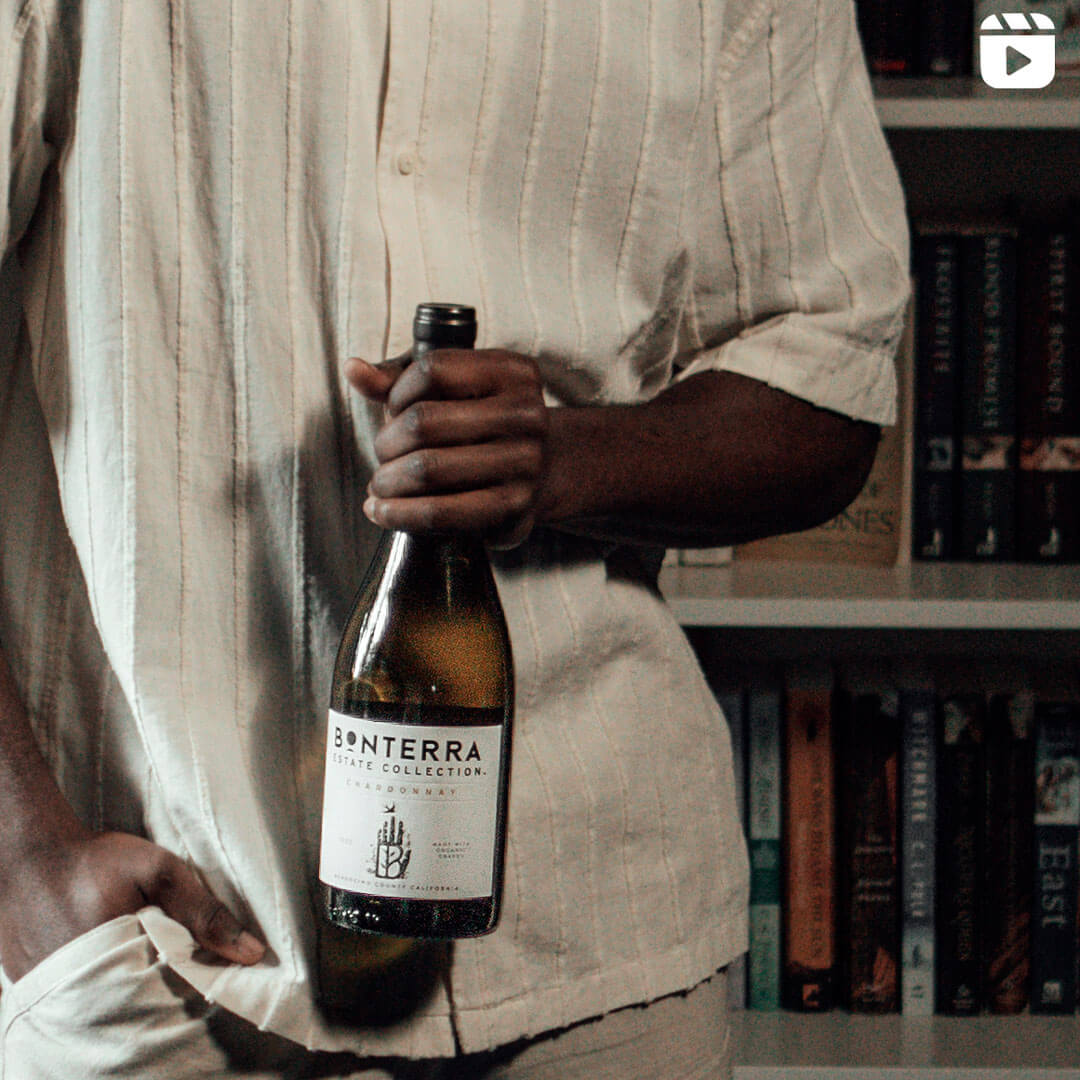
Our Bonterra Chardonnay excels with creamy Alfredo, carbonara, or cacio e pepe. The wine’s balanced acidity cuts through cream’s richness while its subtle notes of pineapple, cantaloupe, and white flowers add complexity without competing with the dish. Thiswine’s texture is neither too heavy nor too light. It mirrors the sauce’s creaminess, creating a harmonious pairing where each element enhances the other.
For an unexpected twist, try pairing cheese-heavy or cream-based pasta with dry rosé wine. Fuller-bodied than most white wines, it features pomme and stone fruit notes with a richer texture that complements triple-cream sauces while maintaining the refreshment necessary to balance rich dishes. Its floral aromatics add an elegant dimension to simple butter and Parmesan preparations.
Best Wines for Pesto or Herb-Based Pasta
Pesto presents unique pairing opportunities with its combination of fresh basil, pine nuts, garlic, and olive oil. The sauce’s herbal, slightly nutty character and rich texture call for wines that can complement these complex flavors without being overshadowed.
Bonterra Sauvignon Blanc is the ideal pairing for pesto pasta. Its zesty citrus and kiwi notes, combined with subtle herbal notes such as basil’s freshness, while the wine’s crisp acidity balances olive oil’s richness. For those who prefer red wine with pasta, our Bonterra Pinot Noir is a great alternative. Its berry notes, accented with oak spice and subtle earthiness, harmonize beautifully with pesto’s complexity. Serve it slightly chilled (55-58°F) to maintain freshness while allowing the wine’s nuanced character to shine through.
Best Wines for Seafood Pasta Dishes
Seafood pasta—whether it’s clams, shrimp, or flaky white fish—needs a wine that sings alongside the ocean flavors instead of covering them up. Choose something bright, crisp, and lively, with a clean finish.
Our Bonterra Rosé is a go-to for seafood pasta. Bright notes of watermelon, grapefruit, and blood orange give it a lively acidity that pairs beautifully with the natural sweetness of shellfish, while its medium body holds up to richer, butter-based sauces. It’s especially delightful with linguine alle vongole or shrimp scampi, the kind of wine that makes warm summer evenings feel effortless.
Alternatively, circle back to Bonterra Sauvignon Blanc for pasta with lemon and fresh herbs. The wine’s bright citrus notes lift the dish, while its crisp acidity keeps the flavors clean and lively. It’s the kind of white wine like this that turns a simple meal into a moment where wine and pasta truly shine, showing that the best wine pairing isn’t about stiff rules, but about tasting what works together.
Tips for Confident Pasta & Wine Pairing at Home
Developing confidence in wine with pasta begins with understanding a few practical principles.
- Match the intensity: Delicate dishes call for lighter wines, while robust preparations demand wines with more structure and body. A simple aglio e olio with garlic and olive oil pairs beautifully with a crisp white, while a hearty meat ragù needs the backbone of a structured red.
- Balance the acidity. High-acid foods like tomato-based sauces require wines with comparable acidity to create harmony. Low-acid, creamy dishes benefit from wines with enough acidity to provide contrast and refreshment. This principle alone will guide you toward successful pairings in most scenarios. To make experimentation even easier, consider stocking up and explore new bottles at your own pace.
- Don’t be afraid to experiment. Temperature plays an important role in how wine expresses itself—serving reds slightly cooler (60-65°F) during warmer months maintains refreshment, while allowing whites to warm slightly (50-52°F) reveals more complexity. Consider your glassware as well; proper wine glasses allow aromatics to develop fully, enhancing your tasting experience.
Ultimately, one of the most important elements in food and wine pairing is considering the weight and intensity of both the dish and the wine, ensuring neither overwhelms the other. This principle applies perfectly when selecting wine for pasta dishes.
The Bonterra Way to Perfect Pairings
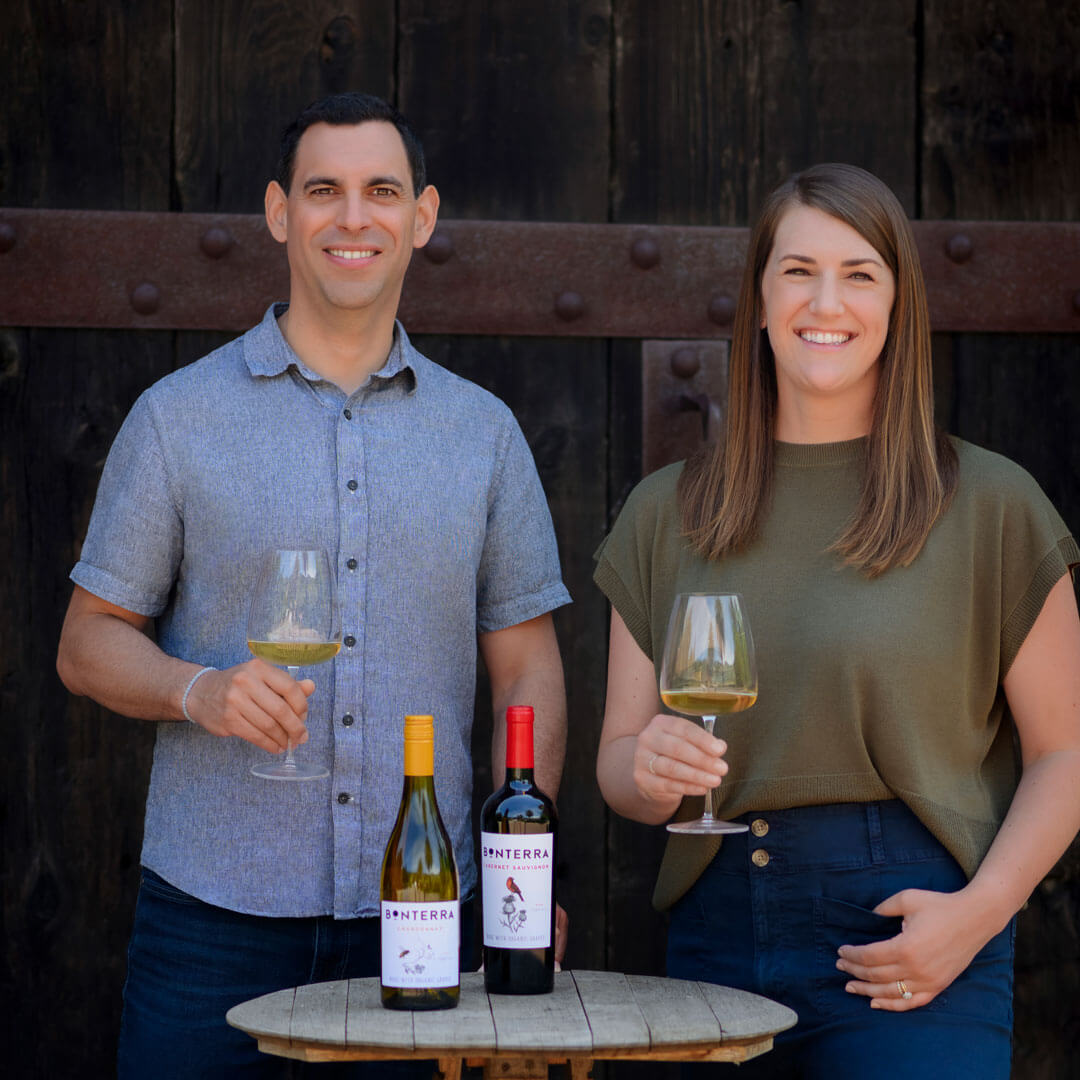
At Bonterra, our approach to winemaking mirrors our philosophy on food pairing: intention, balance, and respect for natural processes create the most memorable experiences. As America’s #1 organic winery, we craft wines that reflect our sustainable farming practices and pair beautifully with fresh, thoughtfully prepared ingredients.
Whether you’re exploring what wine goes with pasta for the first time or refining your pairing intuition, Bonterra wines bring out the best in your cooking. From bright, food-friendly whites to structured, complex reds, each bottle is designed to elevate simple meals into moments worth savoring.
The best pairings aren’t about rules—they’re about experimenting, noticing what makes your dish sing, and savoring the moment. Use these tips as a starting point, trust your taste buds, and let the experience unfold.
CITATIONS
Wine Folly. (n.d.). How to Pair Pasta and Wine. https://winefolly.com/tips/how-to-pair-pasta-and-wine/
VinePair. (2022). How to Pair Wine with Pasta. https://vinepair.com/articles/wine-pairing-pasta/
WSET – Wine & Spirit Education Trust. (n.d.). Food and Wine Pairing Principles. https://www.wsetglobal.com/knowledge-centre/blog/2022/march/food-and-wine-pairing-principles/